
Self-leveling compound for electric underfloor heating
A level, stable subfloor is the foundation of a well-functioning electric underfloor heating system. Self-leveling compound and primer ensure that your heating cables or mats are properly embedded, allowing heat to be distributed evenly across your floor. In this category, you will find everything you need to perfectly prepare your subfloor.
What is self-leveling compound and why do you need it?
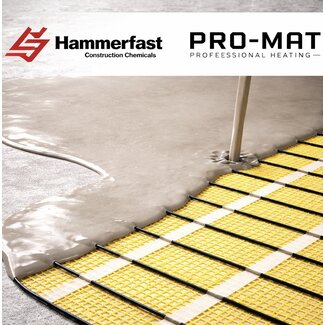
Self-leveling compound is a floor mortar used to eliminate minor imperfections in the subfloor. With electric underfloor heating, it is used to fully encase heating cables or thin heating mats. This protects them, creates a smooth surface for your tiles, PVC, or laminate, and ensures optimal heat distribution. Without a proper leveling layer, there is a risk of air pockets forming around the cables, which can lead to overheating and an uneven heat profile.
Self-leveling compound in tile adhesive or on the heating?
A common question is whether you should install electric underfloor heating in tile adhesive or self-leveling compound. Both are possible, but it depends on your situation. For thin heating mats under tiles, a layer of flexible tile adhesive is often used to embed the cables directly. If you want to create a level surface for other floor finishes like PVC or laminate, you should embed the cables in self-leveling compound. It provides a smoother, more stable base, making it the safest choice if you are in doubt.
Which self-leveling compound should you choose for underfloor heating?
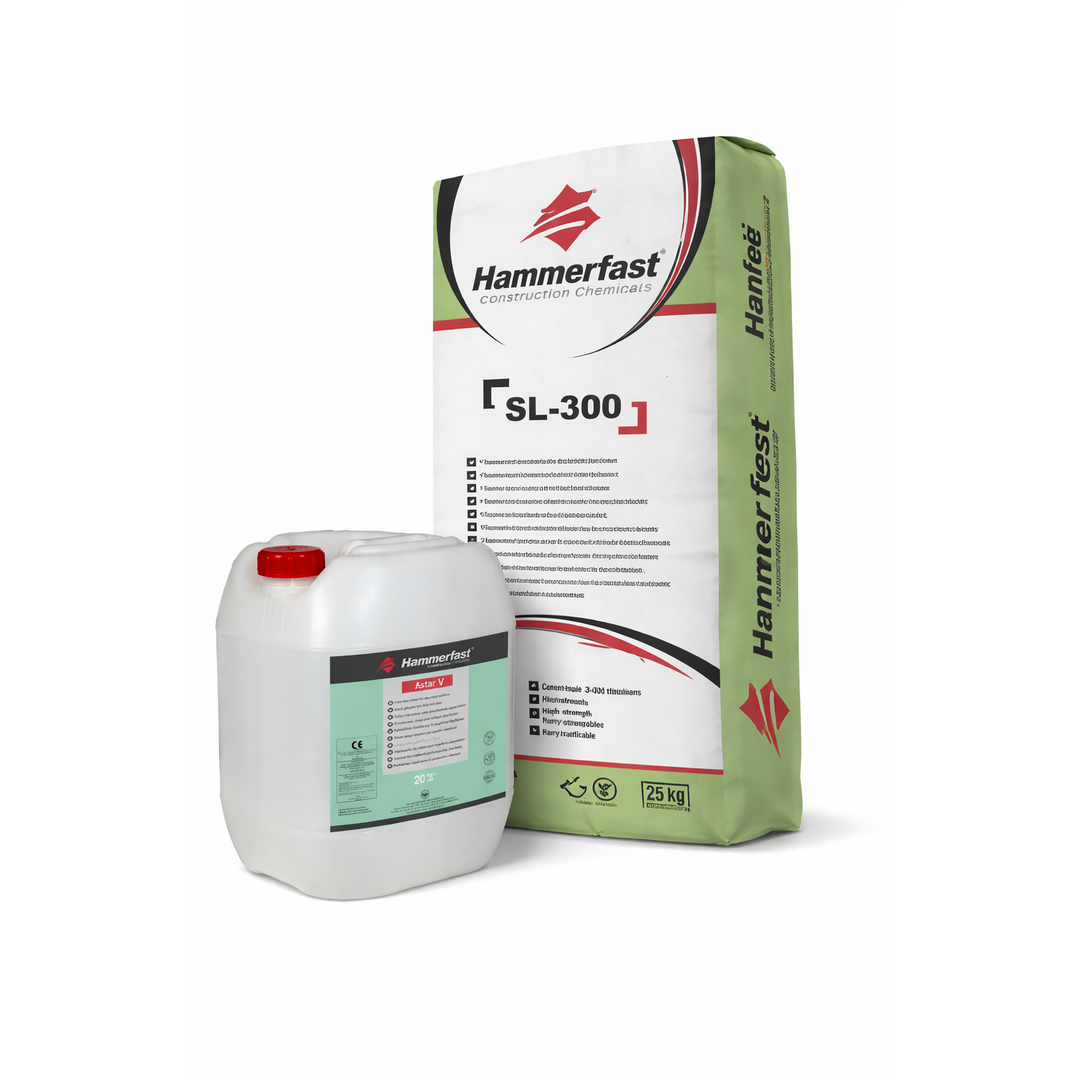
Not every compound is suitable for use with underfloor heating. Always choose a product specifically designed for heated floors, ensuring the material can flex with temperature changes without cracking. When choosing, pay attention to the minimum and maximum layer thickness, its suitability for your specific floor finish, and whether the product is gypsum or cement-based. If you are unsure which compound best suits your heating system, please feel free to contact us.
The role of primer during leveling
Before applying the compound, you should first apply a primer. Primer ensures proper adhesion between the subfloor and the compound and prevents the subfloor from drawing too much moisture out of the leveling layer. A primer is essential, especially on absorbent surfaces like concrete or anhydrite. The result is a stronger, more durable floor structure in which your electric underfloor heating functions optimally.
How thick should the leveling layer be?
The required thickness depends on the diameter of your heating cables or mats. As a general guideline, the layer should fully cover the cables with a few millimeters of compound on top to ensure heat spreads properly. Always follow the manufacturer's instructions regarding minimum and maximum thickness. A layer that is too thin will not cover the cables sufficiently, while a layer that is too thick will increase the warm-up time.
How long should the compound dry before switching on the heating?
Patience is key after leveling. The compound needs time to fully cure before you switch on your electric underfloor heating for the first time. Do not turn the heating on too early, as the layer may dry too quickly and develop cracks. The exact drying time varies by product and layer thickness, so always check the instructions on the packaging. Only once the compound is completely dry and cured should you gradually increase the temperature using your Wi-Fi thermostat.